
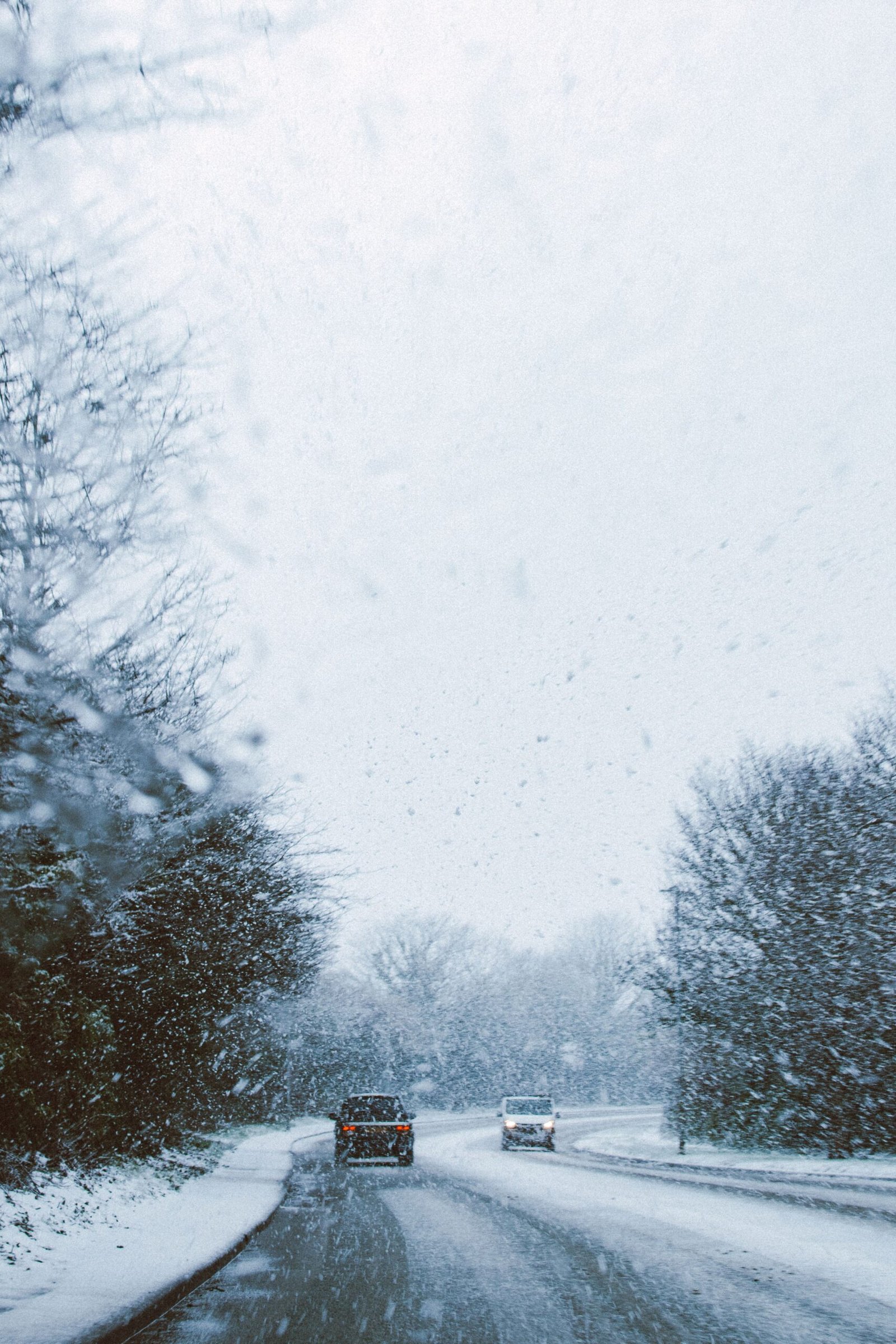
Winter in Canada changes the delivery game.
The roads get slippery, the daylight disappears earlier, and a simple walk to a customer’s front door can turn into an obstacle course. Your phone struggles in the cold, your vehicle needs more attention, and a ten-minute delivery can take much longer.
Winter delivery can bring real challenges, from slippery sidewalks and black ice to freezing temperatures and longer routes. Conditions can change quickly, so preparing before you go online can help you make safer decisions throughout your shift. This checklist brings together practical steps to help you, your vehicle and your delivery gear stay ready.
Whether you deliver with Uber Eats, DoorDash or another platform, a little preparation makes winter shifts safer and less stressful.
Here’s a checklist to run through before you head out.
1. Check the weather before going online
Before you accept your first order, check the local forecast. Look beyond the temperature:
- Snowfall and blowing snow
- Freezing rain and freezing drizzle
- Flash-freeze warnings
- Wind chill and extreme-cold alerts
- Reduced visibility
- Road closures and traffic conditions
Environment and Climate Change Canada issues warnings for hazardous winter weather, and many provinces have road-condition services, such as 511.
Give yourself extra time when conditions are poor. If a serious storm is underway, consider delaying or cancelling your shift. No delivery is worth risking your safety.
2. Get your vehicle winter-ready
If you deliver by car, it’s your most important work tool. Before winter settles in, check:
- Tires: Inspect tread and pressure. Transport Canada recommends winter tires on all wheels in cold, snowy or icy conditions.
- Battery: Have an older or unreliable battery tested before it gets colder.
- Brakes: Make sure they’re working properly.
- Lights: Headlights, brake lights, signals and hazards.
- Washer fluid: Use fluid rated for winter temperatures.
- Wipers: Replace worn blades.
- Fuel: Keep enough for unexpected delays.
Before every shift, clear snow and ice from your windows, mirrors, lights, hood and roof. Clearing a small patch of windshield isn’t enough, and snow flying off your roof is a hazard for the drivers behind you.
3. Keep a small winter emergency kit in your car
It doesn’t need to be elaborate, but you should be ready for a breakdown or long delay:
- Snow brush and ice scraper
- Small shovel
- Booster cables
- Flashlight
- Blanket
- Extra gloves, socks and warm clothing
- First-aid kit
- Non-perishable snacks and water
- Sand or non-clumping kitty litter for traction
- Reflective warning device
- Phone charging cable and power bank
Transport Canada’s winter-trip guidance includes many of these items. Keep the kit somewhere you can reach it. It won’t help if it’s buried under everything else in your trunk.
4. Protect your phone and battery
Your phone is how you get orders, navigate, reach customers and contact support. Apple notes that very cold conditions can temporarily shorten battery life and may cause a device to shut down. A few habits help:
- Start your shift with a full charge.
- Keep a power bank and cable with you.
- Don’t leave your phone sitting in the cold when you’re not using it, especially in a parked car.
- Set your navigation before you move, and never handle your phone while driving.
If your phone is essential to your income, a backup charging option is worth it.
5. Dress for the delivery, not just the drive
It’s easy to underestimate how much time you spend outside your vehicle: parking lots, waiting outside restaurants, apartment stairs, customers’ doors. Dress in layers so you can adjust:
- Warm base layers
- A wind-resistant or waterproof outer jacket
- Insulated gloves
- Warm socks
- Waterproof footwear with good traction
- A hat or neck covering
- Spare gloves and socks in the vehicle
Try to stay dry. Wet clothing loses its insulation, and cold affects your alertness and finger dexterity. The Canadian Centre for Occupational Health and Safety recommends layered clothing, insulated footwear and regular breaks in a warm area when working in the cold.
6. Adjust your driving and delivery habits
A winter shift isn’t a summer shift. When driving:
- Slow down to match road conditions.
- Leave more space between you and the car ahead.
- Brake earlier and more gently.
- Avoid sudden steering or acceleration.
- Take extra care on bridges and shaded areas where ice forms.
- Don’t rush to hit an estimated delivery time.
- Find a safe place to stop if visibility gets too poor.
Stopping takes longer on slippery surfaces, which is why Transport Canada advises matching your speed to conditions and leaving more distance.
If you deliver by bike or scooter, be just as selective about conditions. Avoid icy or snow-covered routes, use appropriate tires and working lights, wear reflective clothing, and brake early.
7. Take extra care at pickups and drop-offs
The driving is only part of the job. Restaurant entrances, parking lots, sidewalks and apartment stairs can all be slippery:
- Watch for ice around entrances.
- Use cleared, well-lit paths where you can.
- Take your time on stairs and use handrails.
- Don’t carry more than you can safely manage.
- Keep your insulated bag clean, dry and secure. It protects food from temperature swings on the trip.
If weather is slowing a delivery, communicate with the customer instead of trying to make up time by driving faster.
8. Know when to take a break or end your shift
There’s nothing wrong with taking a break, or deciding conditions are no longer safe. Cold affects concentration and coordination. CCOHS lists warning signs such as shivering, fatigue, dizziness and pain in the extremities. If you notice them, get somewhere warm and seek medical help if you’re concerned.
If you’re stranded in a snowstorm and your vehicle is in a safe spot, Transport Canada advises staying inside for shelter. Make sure snow isn’t blocking the exhaust pipe, since that can let carbon monoxide into the car.
The road will still be there when conditions improve.
Your five-minute pre-shift winter checklist
- Check weather alerts and road conditions
- Clear snow and ice from your vehicle
- Check tires, lights and windshield visibility
- Charge your phone and pack a power bank
- Bring warm, dry clothing and gloves
- Make sure your emergency kit is in the vehicle
- Check that your delivery bag is clean and ready
- Decide whether conditions are safe enough to work
To everyone behind every delivery
Customers see a meal arrive at the door. Drivers know what happens between pickup and drop-off: slippery roads, freezing temperatures, long waits and tricky walking conditions.
Take care of yourself, give yourself extra time, and remember that getting home safely matters more than one more order.
Behind every meal is a story. And behind every delivery is a person.
What’s one thing you never start a winter shift without? Share your tip with the Pymbox community. Another driver might find it useful.
Sources:
- Transport Canada: Winter driving
- Transport Canada: Winter driving emergency kit
- Environment and Climate Change Canada: Be prepared for winter weather
- Canadian Centre for Occupational Health and Safety: Cold environments overview
- Apple Support: If your iPhone or iPad gets too hot or too cold
- DoorDash Dasher Central: Winter dashing tips
- Ontario winter driving and Ontario 511 road conditions







Leave A Comment